
Search
Articles26 results
View all →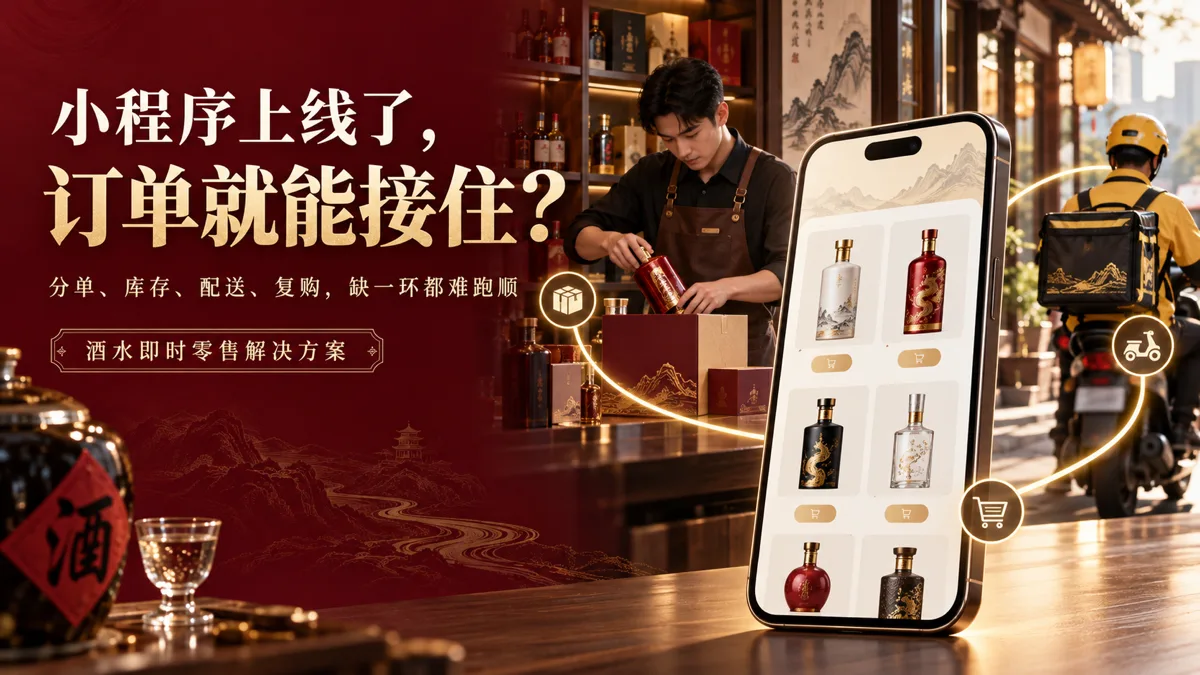
Alcohol Instant Retail Solution: From Mini-Program Ordering to Same-City Delivery, Helping Alcohol Merchants Connect Sales, Fulfillment, and Repurchase Loops
Alcohol instant retail isn't just a delivery problem—it's a system problem spanning online customer acquisition, store fulfillment, inventory coordination, same-city delivery, and member repurchase. This article breaks down six dimensions—entry, order dispatch, inventory, delivery, operations, and scenarios—to show how alcohol merchants can connect sales, fulfillment, and repurchase into a closed loop.
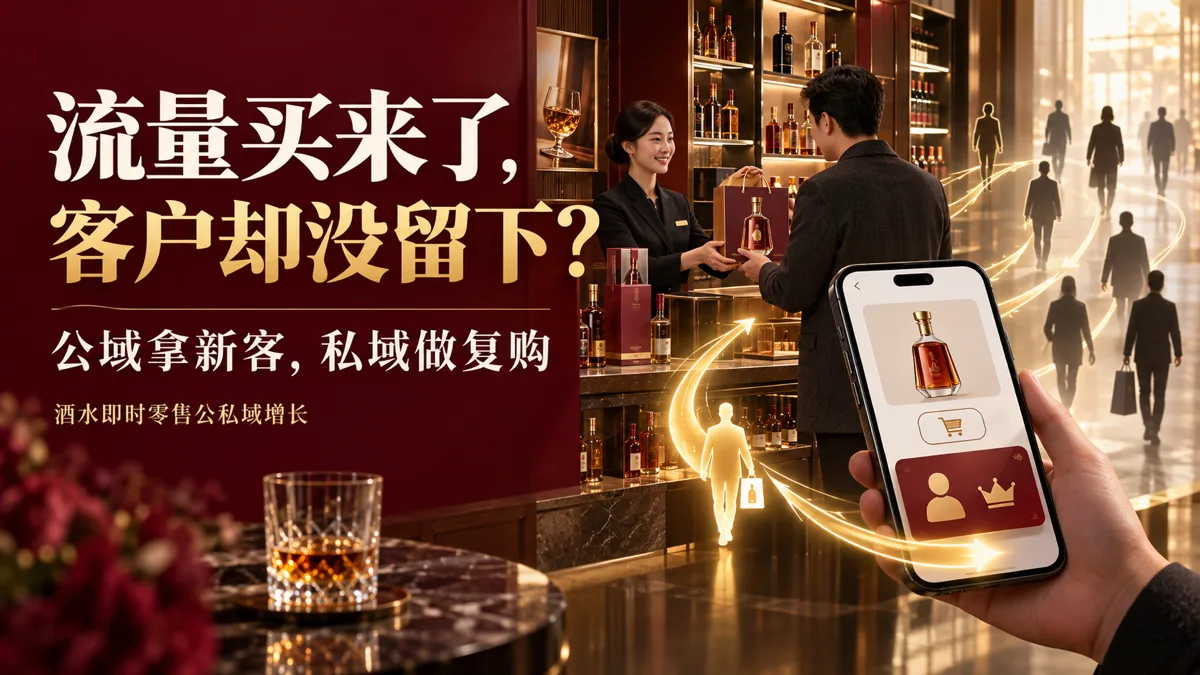
Alcohol Instant Retail: Public-to-Private Domain Growth—Acquire New Customers in Public Domains, Drive Repurchase in Private Domains
Alcohol sales growth can't rely on waiting for customers to walk in. User purchase paths have changed—alcohol merchants need to organize public-domain acquisition, private-domain repurchase, mini-program transactions, and store fulfillment into a sustainable operating loop. This article breaks down the public-to-private growth playbook across eight dimensions: public-domain entry, private-domain capture, scenario segmentation, mini-program transactions, campaign design, store delivery, business-type strategies, and a six-step implementation roadmap.
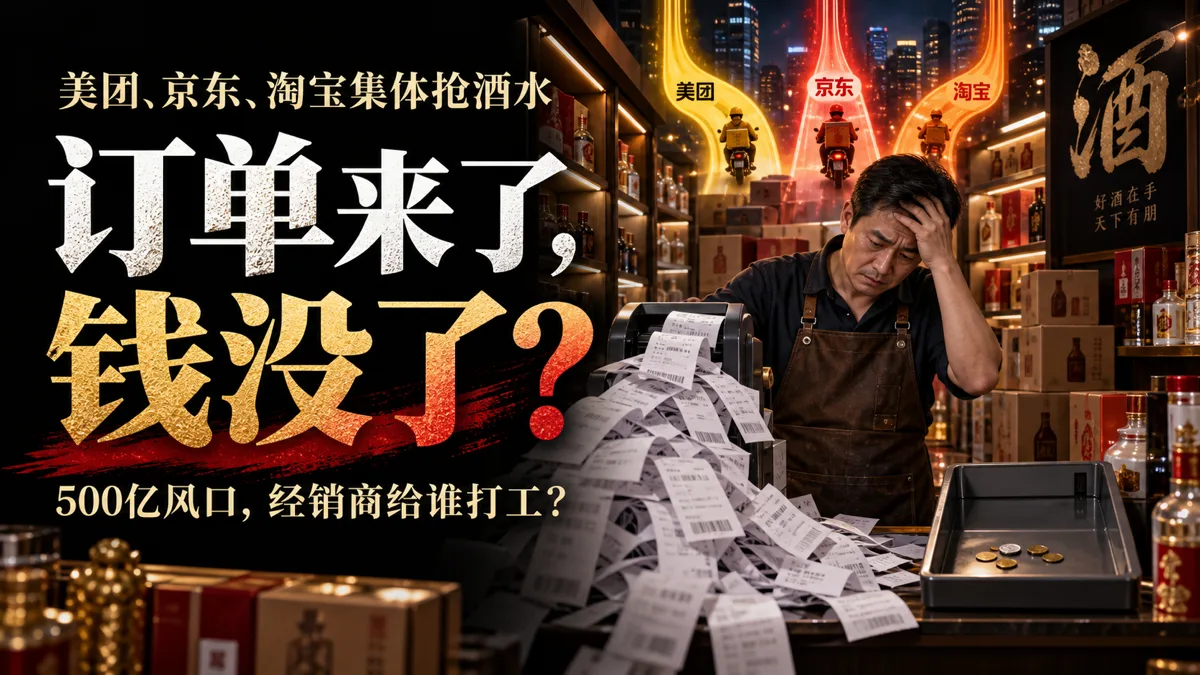
Meituan, JD, and Taobao Enter Alcohol Retail: Behind the 50-Billion-Yuan Instant Retail Trend, Are Traditional Distributors Cannon Fodder or the Closest Link to the Consumer?
The colder baijiu sell-through gets, the more aggressively platforms fight for alcohol. That sounds harsh, but this Spring Festival's data speaks for itself. In Chengdu, someone ordered a bottle of Wuliangye on Chinese New Year's Eve and had it delivered in twenty minutes. Meituan reported that from New Year's Eve through the seventh day of the Lunar New Year, county-level alcohol instant retail orders grew 30% year-over-year, with baijiu and Western spirits doubling outright. You might think the trend has arrived. The more I watch, the more this looks like a reshuffling—not an expansion.
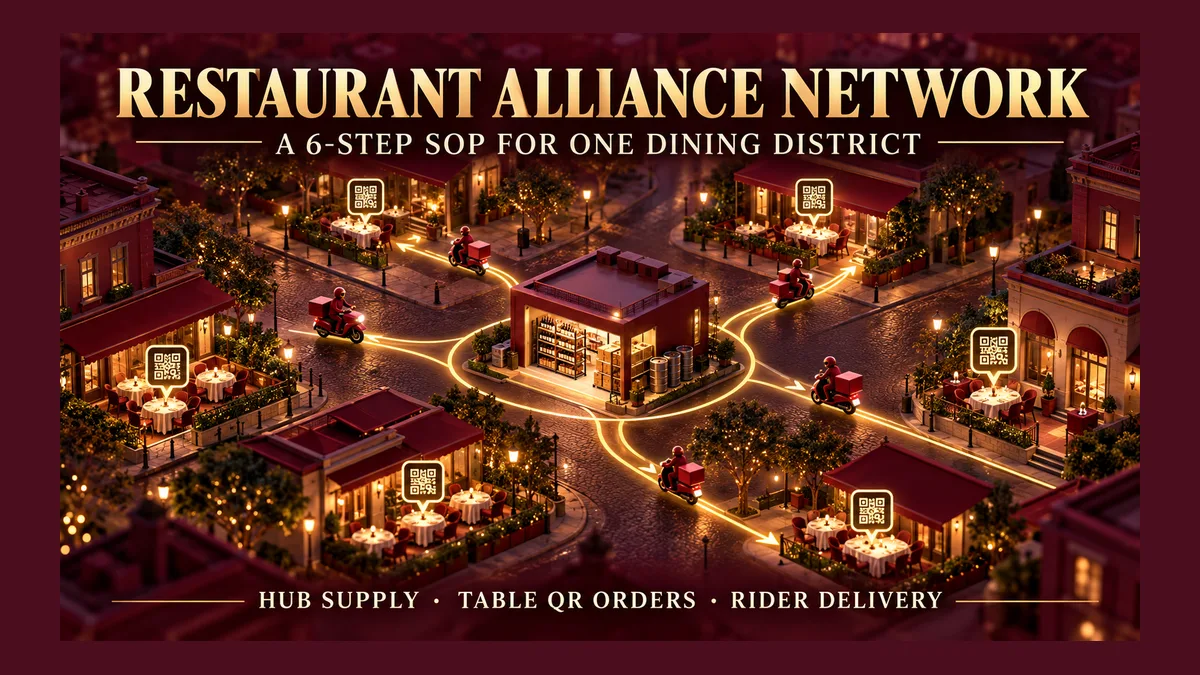
Instant-Retail Restaurant Alliance Network: A Six-Step SOP for Starting in One Commercial District
Regional alcohol distributors do not need to begin instant retail by opening a street-facing store or covering an entire city at once. Start with one commercial dining district: a micro-fulfillment hub holds inventory, restaurants provide table QR-code sales entry points, and riders deliver drinks to the table. Once the closed loop works, add community tobacco-and-liquor stores and expand the supply, fulfillment, and restaurant-sales network step by step.
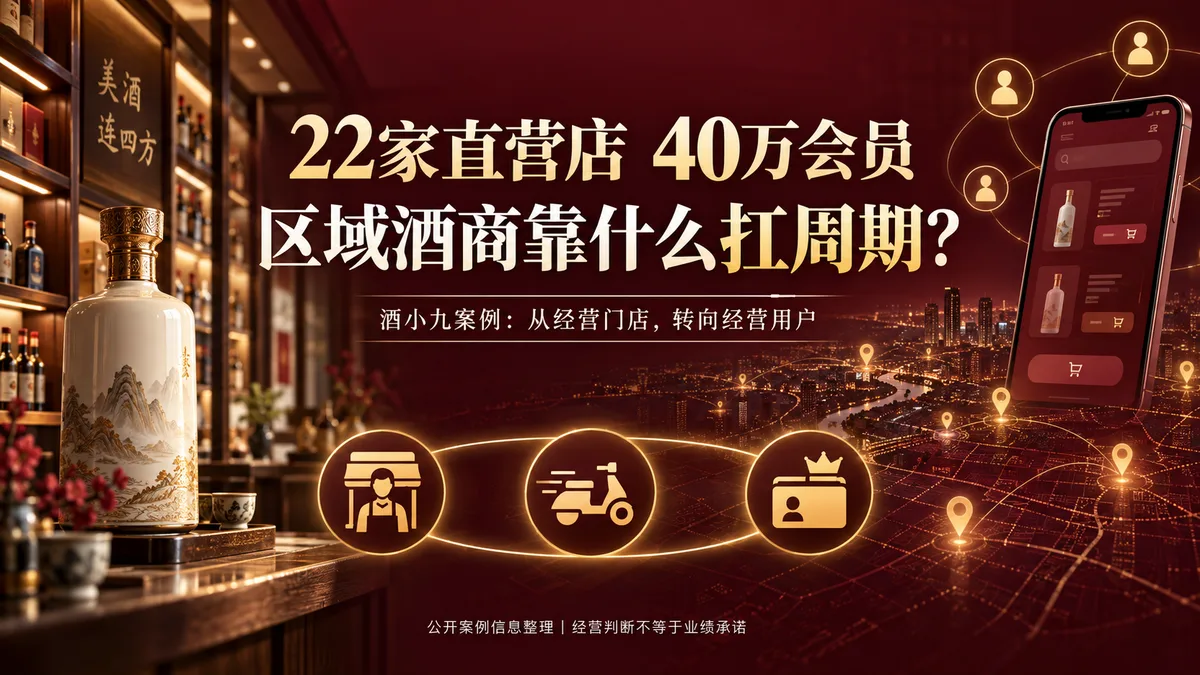
Jiuxiaojiu: 22 Directly Operated Stores and 400,000 Members — Why Regional Liquor Retailers Need to Own Customer Relationships, Not Just Add Stores
Jiuxiaojiu, a liquor retailer in Luohe, Henan, has built more than 400,000 registered users on its own app through 22 directly operated stores—roughly one-sixth of the city’s resident population. Trade-media reports say its revenue and profit both grew in January–August 2026, with private-domain operations and instant retail contributing to performance. The lesson is not simply to open more stores: use store associates to acquire customers, local fulfillment to retain them, and a membership system to turn transactions into durable customer relationships.
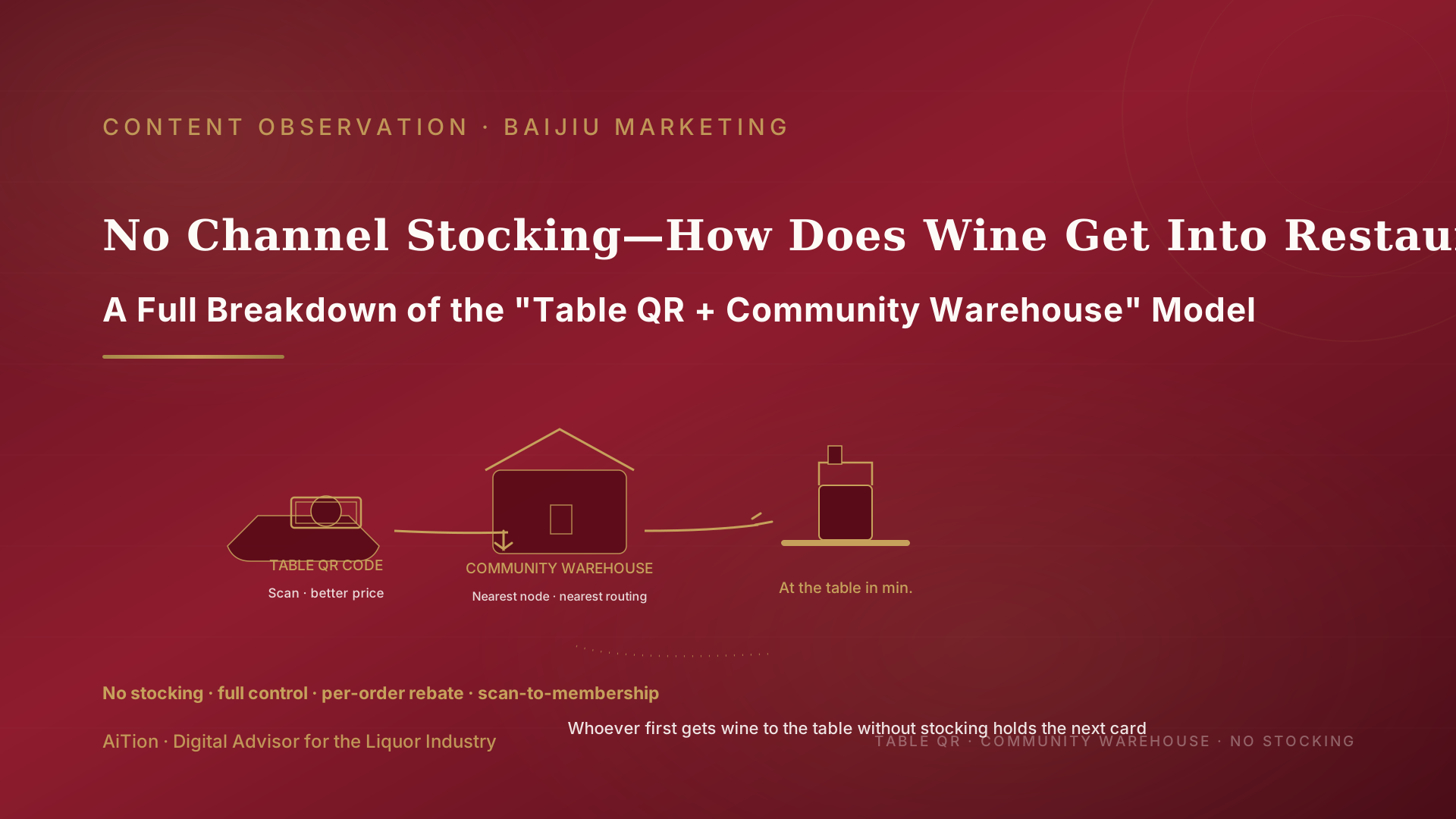
No Channel Stocking, How Does Wine Get Into Restaurants? A Full Breakdown of a Working "Table QR + Community Warehouse" Model
When distributors and stores begin collectively saying "no" to channel stocking, and stock piles up in the distillery as the most stinging reality for regional liquor makers, some people switch to a different playbook: no longer force inventory onto distributors, but open a storefront of their own, spread low-cost community warehouses, and place a QR code on each restaurant table—diners scan, the system auto-locates the nearest community warehouse, and the wine reaches the table within a dozen minutes. This article fully breaks down the "table QR + community warehouse" model—how four roles each get what they want in a zero-inventory closed loop, how it casually unties the "no outside liquor allowed" knot, five traps that can bury you, and its true value: swapping the growth yard-stick from "volume shipped" to "bottle-open rate."
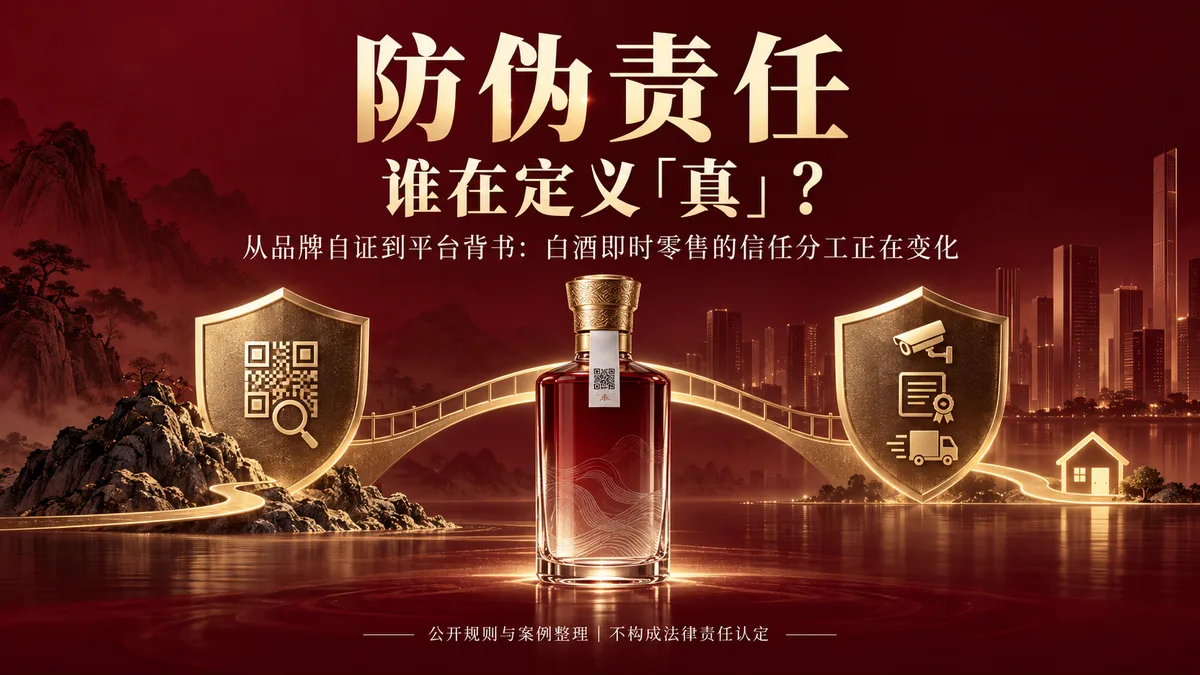
From Brand Self-Authentication to Platform Assurance: How Responsibility for Baijiu Authenticity Is Being Reallocated
On September 24, 2025, Meituan Flash Purchase announced an instant-retail, full-chain authenticity-assurance system with ten or more leading baijiu brands. Its related “real-photo-before-shipment” rule requires merchants to send product photos before dispatching baijiu priced above RMB 300. Platform safeguards are becoming more prominent, but product authenticity, brand-side verification and consumer-relationship operations remain responsibilities that brands cannot abandon.
Gujing and Kouzi Both Opened "Dajiu Pu" Liquor-Dispensing Shops—Is Baijiu Turning into a Bubble-Tea Shop?
Baijiu is going through a "scenario downgrade": from drinking only over a full table of dishes, to savoring a couple of sips when one person winds down at night. Gujing Gongjiu opened its "Gujing Dajiu Pu," Kouzijiao opened its first "Kouzi Jiufang" community store, and Sichuan Liquor Group, Dukang, and Yangshao all followed, charging by the liang and dispensing on the spot, with a store model that fuses the efficiency per square meter of a bubble-tea shop, the experience of a coffee shop, and the dark store of a convenience store. This article unpacks the instant-retail driver and the store's essence behind Dajiu Pu (recall-your-own liquor shops), argues that it earns not the spread but the "money of being close," and uses online ordering, inventory turnover, and member repurchase to turn "close" into "frequent."
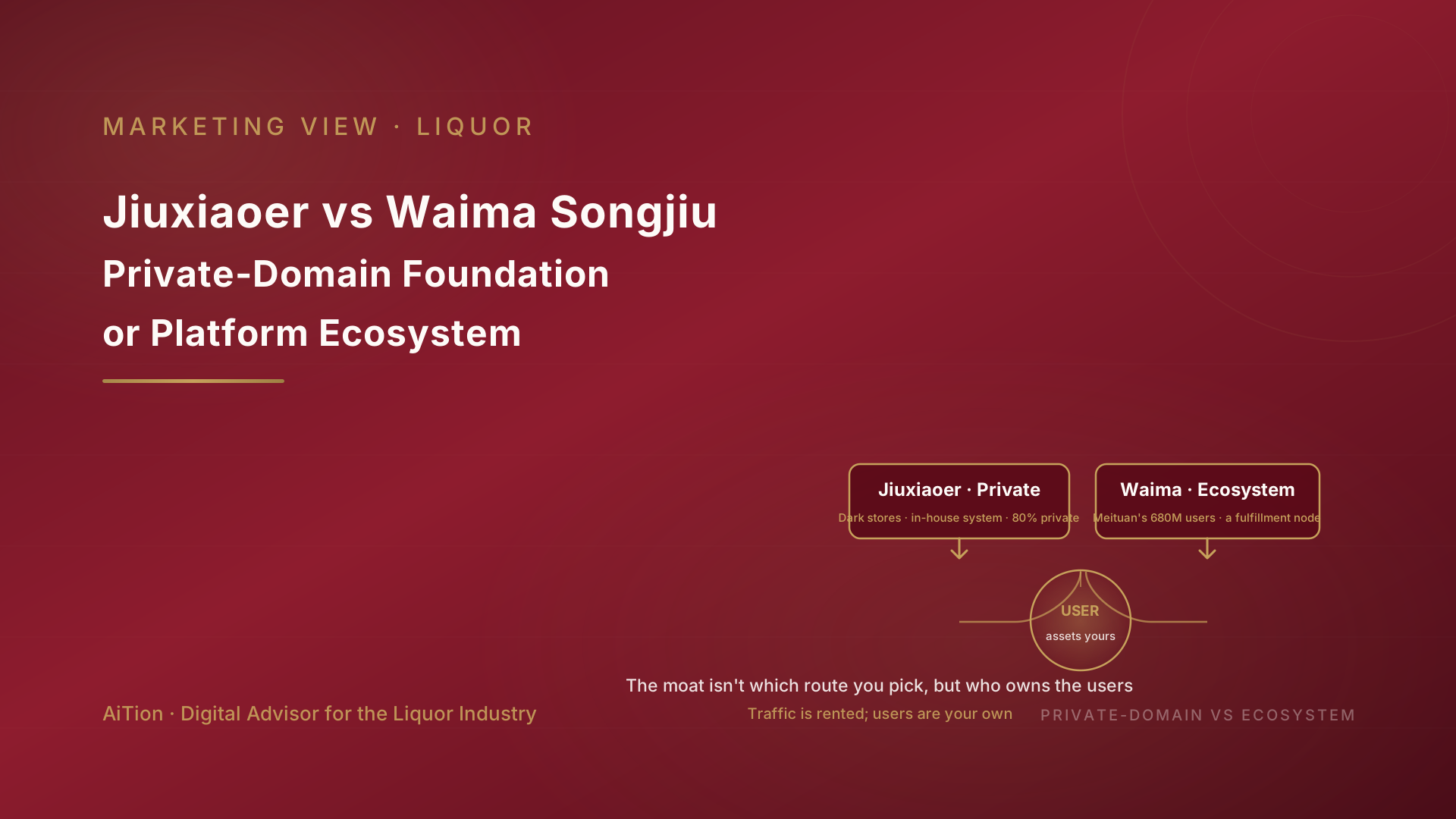
Jiuxiaoer vs Waima Songjiu: Private-Domain Foundation or Platform Ecosystem — Which Is More "Irreplaceable"?
Jiuxiaoer and Waima Songjiu have both crossed RMB 6 billion in GMV — one betting on private-domain, self-built operations, the other leaning on the Meituan ecosystem. This article takes a cool-eyed look at the two routes, and points out that a distributor's real moat is not which route they pick, but whether they manage to hold user assets in their own hands.
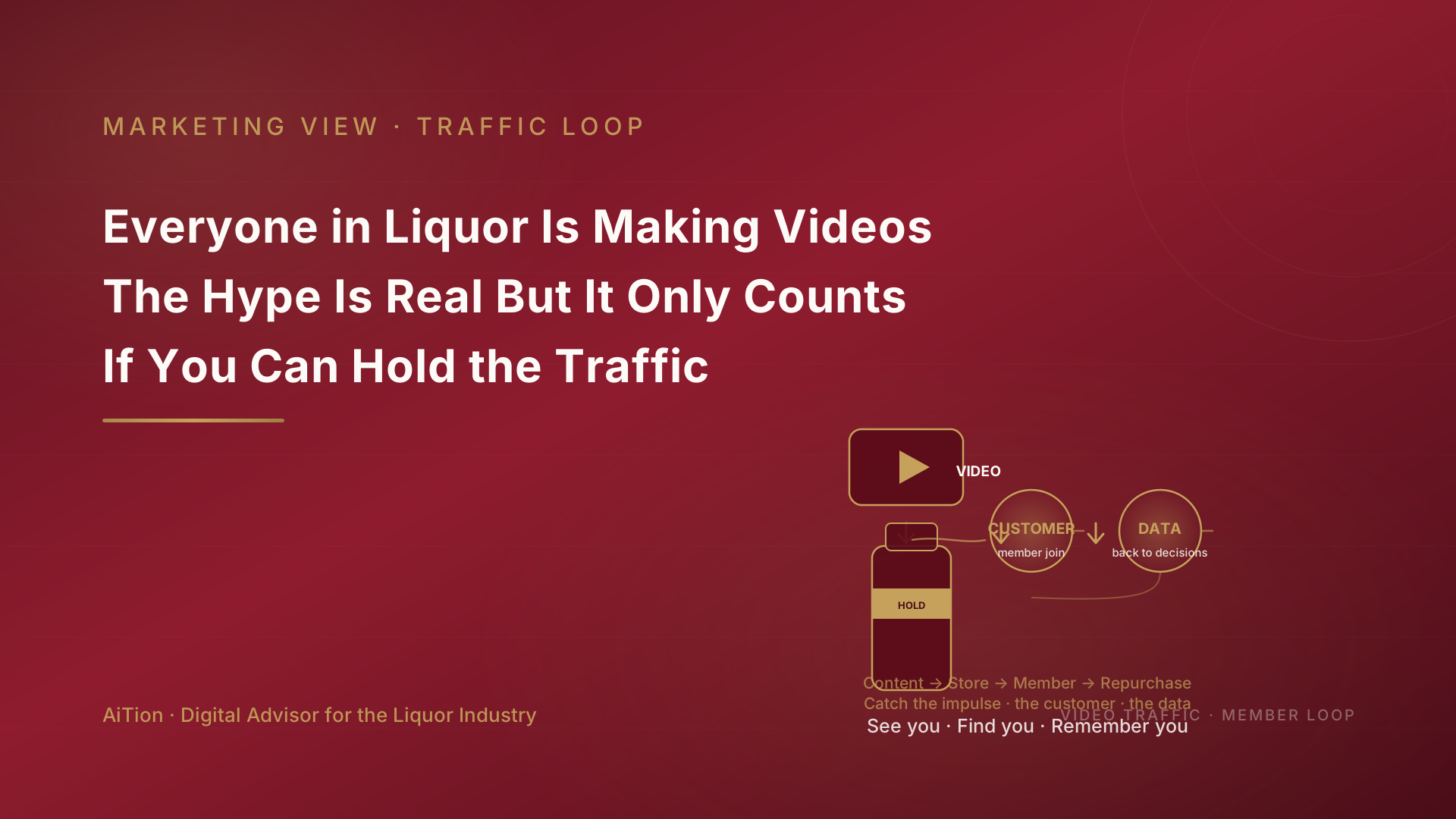
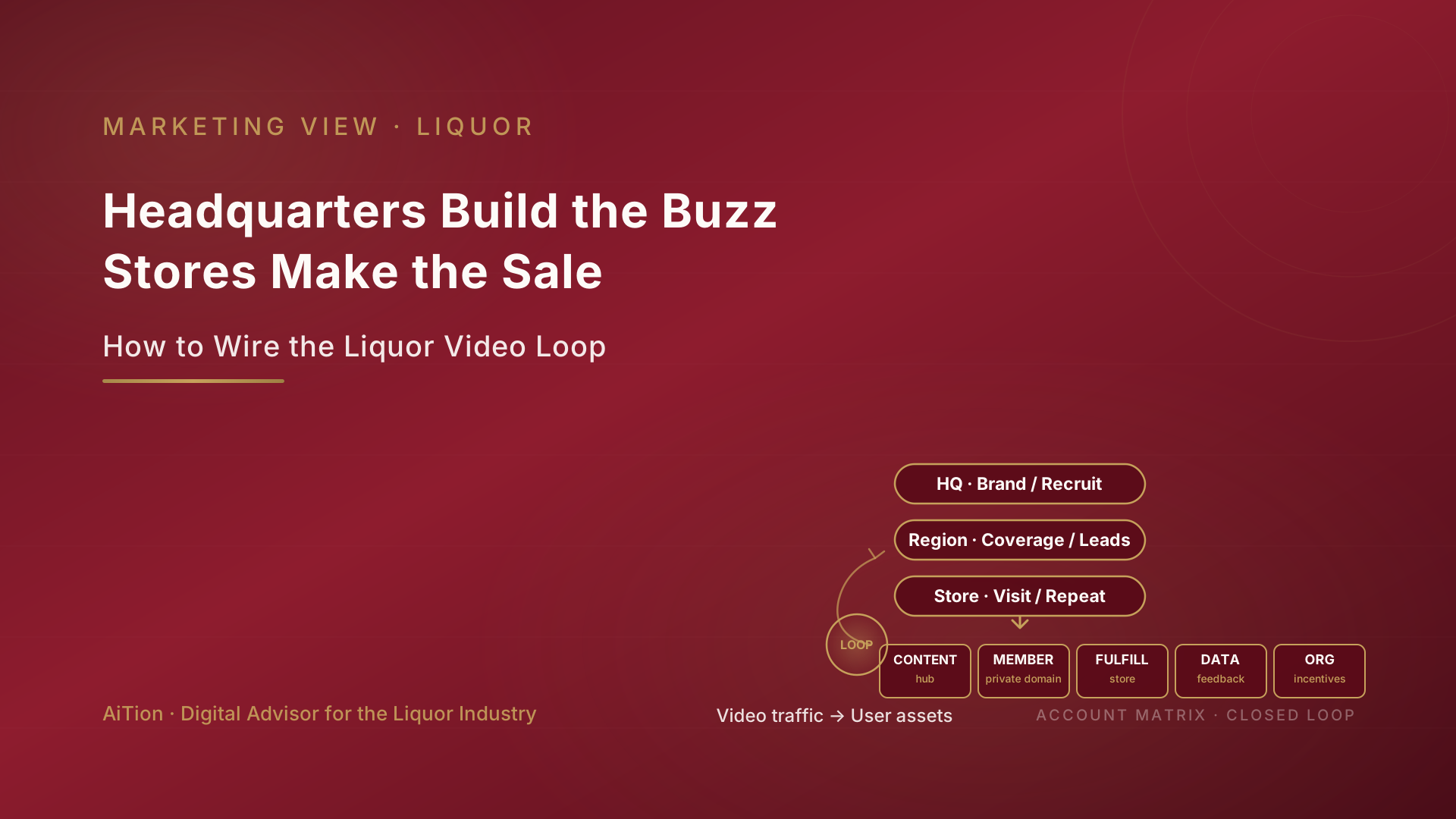
Everyone in the Liquor Industry Is Making Videos—The Hype Is Real, But It Only Counts If You Can Hold the Traffic
Founders of leading distilleries building their personal boss-IP, business teams making videos as an all-hands effort, and distilleries going downmarket to coach terminals on running same-city accounts—video has become an organizational behavior across the liquor industry. But the value of short video lies in the closed loop; a traffic matrix without member conversion and a store fulfillment system often ends with a lot of noise and zero lasting results.
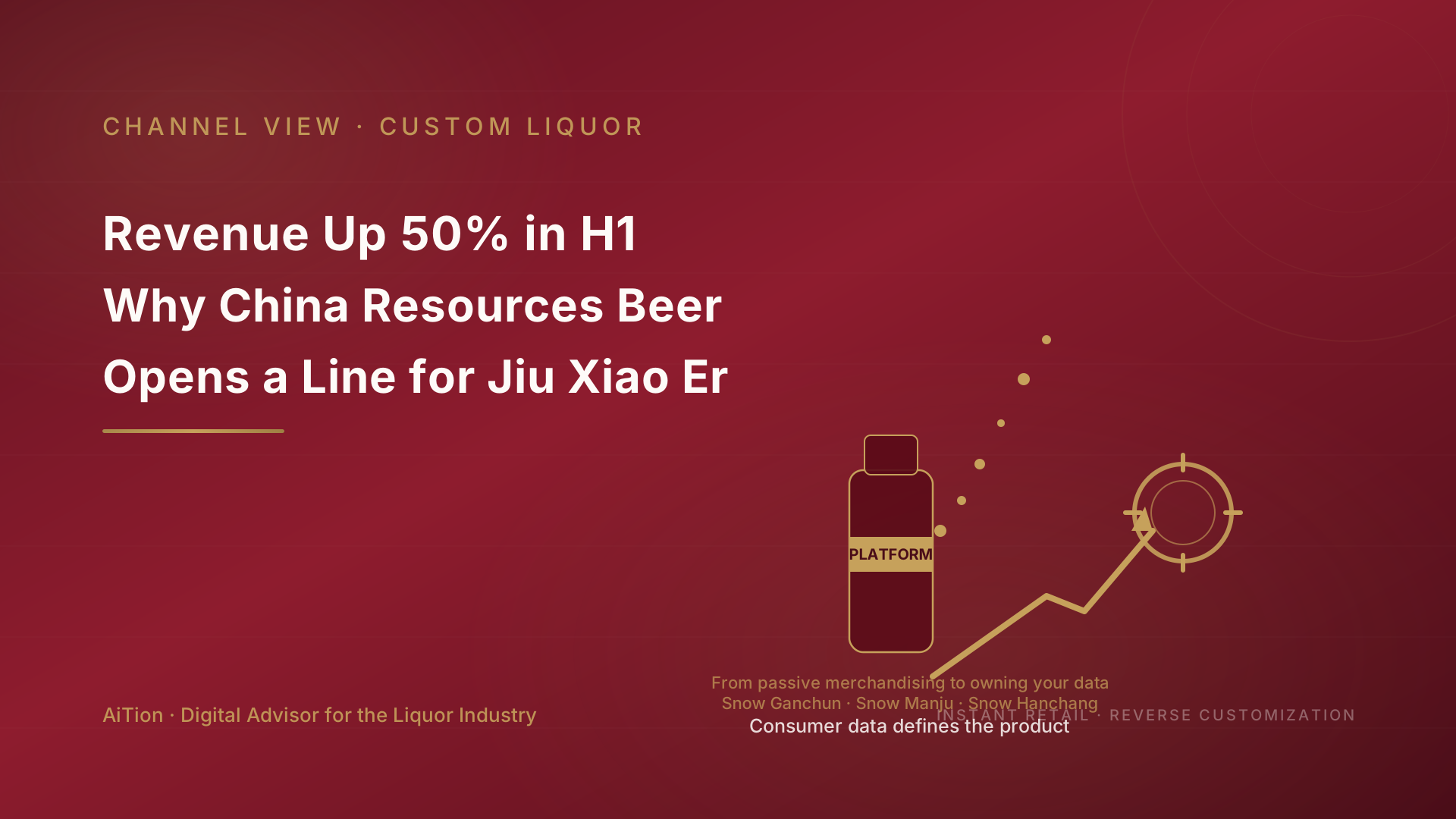
Revenue Up 50% in H1: Why Does China Resources Beer Open an Exclusive Product Line Just for Jiu Xiao Er?
China Resources Beer and the instant-retail platform Jiu Xiao Er jointly launched three platform-exclusive custom products, and Jiu Xiao Er's first-half revenue growth approached 50%. The platform uses consumer data to define products in reverse, while the brewer handles R&D and production—a symbiotic model that is rewriting the rules of the liquor distribution channel. This article breaks down how distributors can shift from passive shelf-merchandising to actively running on data, and hold the ground of their local business.
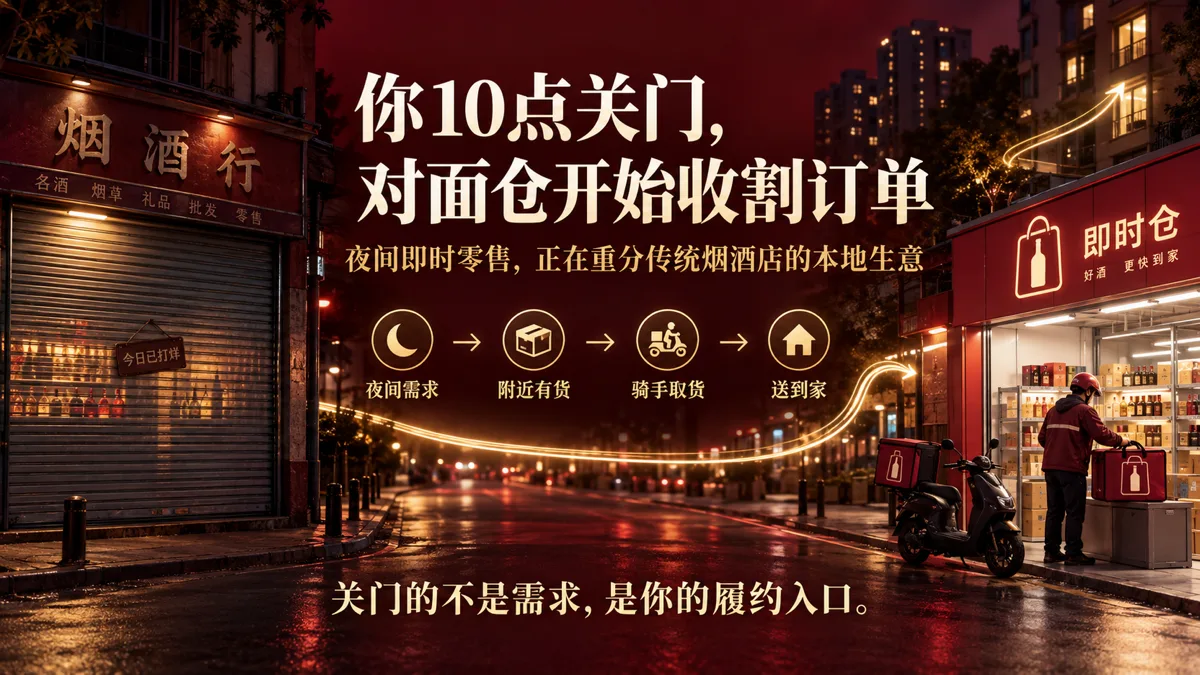
80,000 Lightning Warehouses × 2,800 Counties and Cities × 70% Night Orders: Is the Countdown Starting for Traditional Liquor Stores?
Instant liquor retail is shifting alcohol purchases from planned shopping to late-night replenishment, at-home gatherings, outdoor occasions, and last-minute gifting. Publicly reported data show that around 70% of liquor instant-retail orders on Meituan Flash Buy occur between 6 p.m. and 6 a.m., while 73% are delivered to residential communities. Liquor lightning-warehouse operations are also expanding quickly. This article does not treat “80,000 warehouses” as a universally verified current count. It treats the number as a signal of continuing expansion: for traditional liquor stores, the real challenge is not one more online channel, but a redistribution of local orders, authenticity trust, fulfillment efficiency, and consumer data.
Popular keywords