
Channels & Retail
Instant retail, DMS/B2B ordering, outlet management and supply-chain fulfilment — how channel digitalisation lands, where it fails and what it costs.
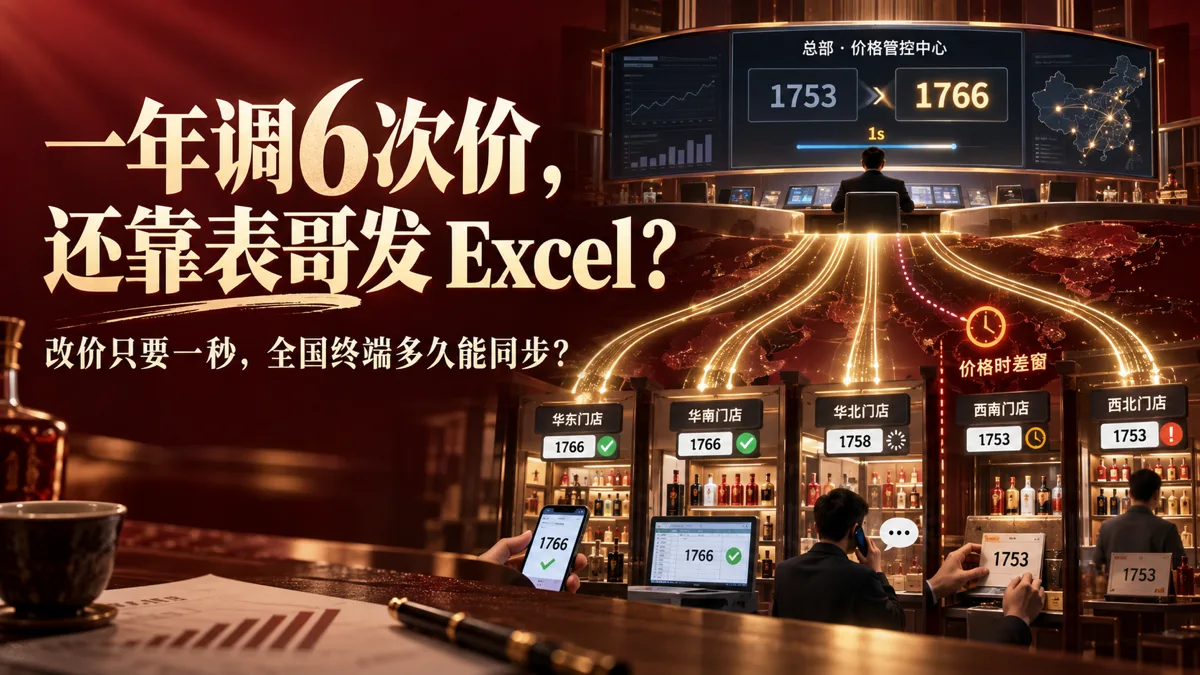
Prices Can Be Adjusted Weekly—Is Your Price System Still Run on Manual Spreadsheets?
Moutai raised prices for the sixth time this year, with Feitian at its self-operated stores climbing to 1,766 yuan. Most analysis stops at the price-signal layer. The real question is: changing a price takes one second—how long does it take to synchronize every terminal nationwide? The more frequent the adjustments, the more price-gap windows channel execution errors create. The barrier to dynamic pricing lies in transmission, not in pricing itself.
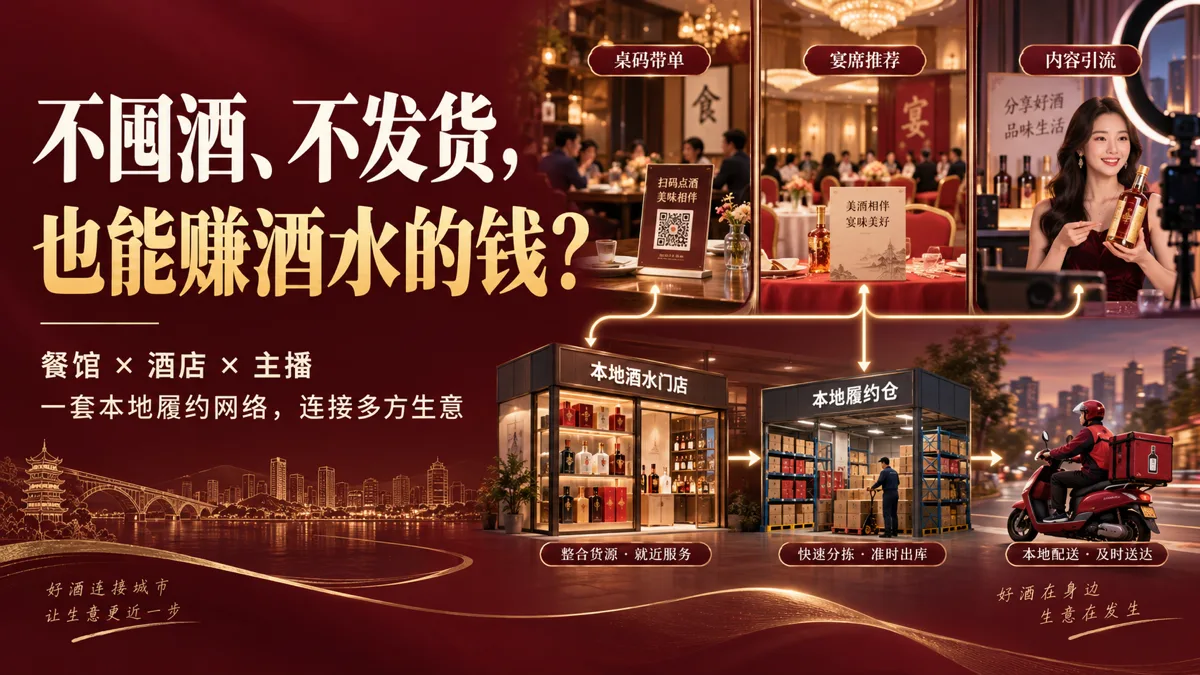
Restaurants Hold No Inventory, Hotels Carry No Stock, Streamers Don't Handle Shipping: An Alcohol Instant Retail Model Where Everyone Profits Together
The traditional alcohol business habitually distributes stock first and sells later—the more scattered the stock, the harder inventory management becomes; the more partners involved, the harder commission calculation gets. This article proposes a model that separates products, traffic, and fulfillment: the platform builds direct stores, franchise stores, and dark stores for unified fulfillment; restaurants place table QR codes and earn a cut without holding inventory; hotels refer banquet clients without stocking and earn commissions; streamers drive traffic without handling shipping; revenue is automatically settled through two systems—payment splitting for enterprise partners and tax-compliant payouts for individual promoters. The core: centralized inventory, distributed customer acquisition, proximity fulfillment, and automated revenue settlement—reorganizing a city's alcohol business.

Don't Just Forward the Policy Text: What This Opinion Really Rewrites Is "Who Gets to Stay at the Table"
For the first time, six ministries have classified brewing as a historical classic industry, aiming to cultivate 50 leading enterprises with 10-billion-yuan scale by 2028. Interpretations all discuss how distilleries can ride the tailwind to upgrade, but nobody answers one question on behalf of distributors: once policy splits brands into three tracks, what will become of those brands in your hands that occupy neither end?