
Consumers & Membership
Consumer operations, membership, private domain and customer data assets, plus hands-on notes on CDP/SCRM/CRM and data platforms for brand teams.
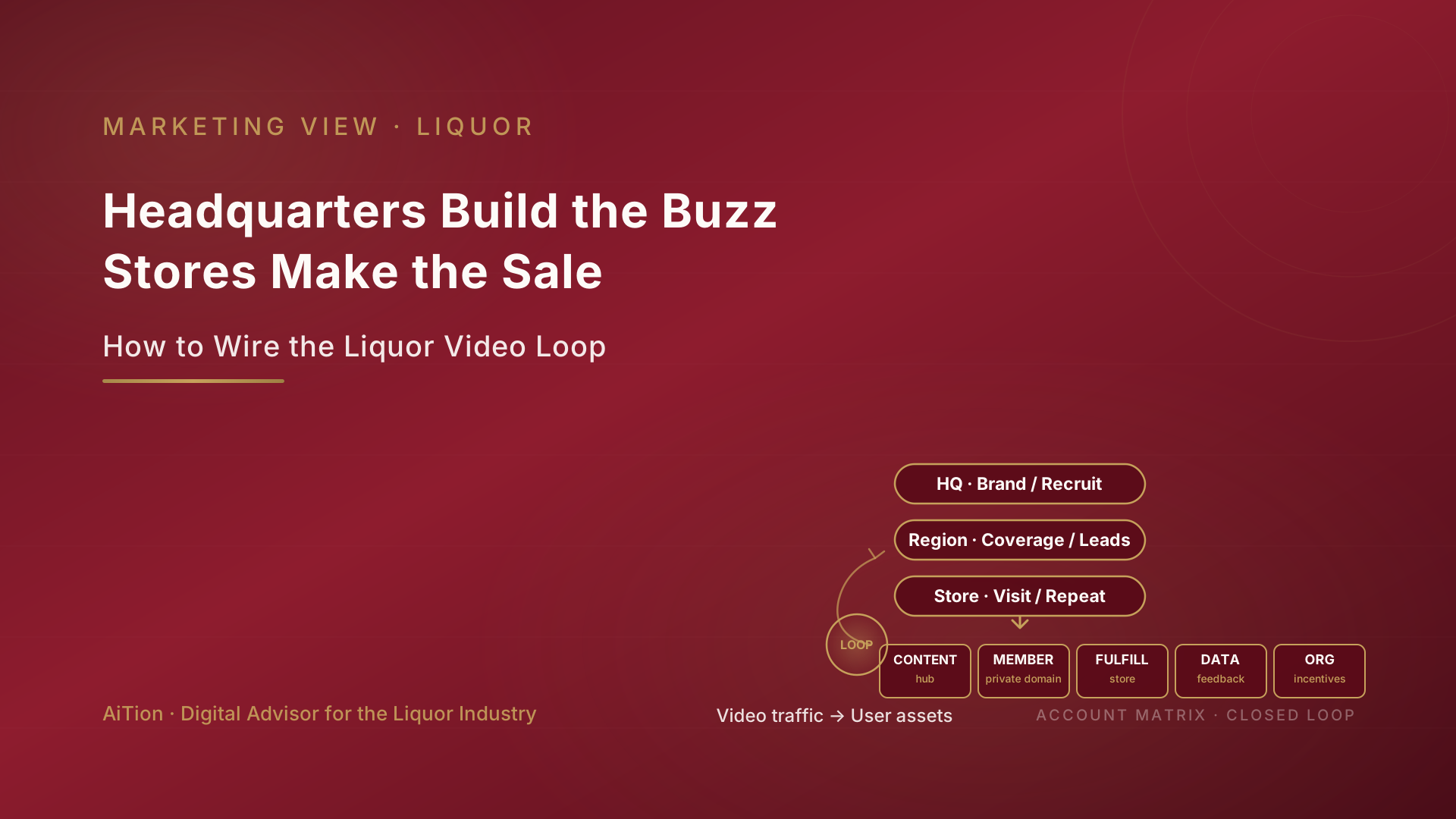
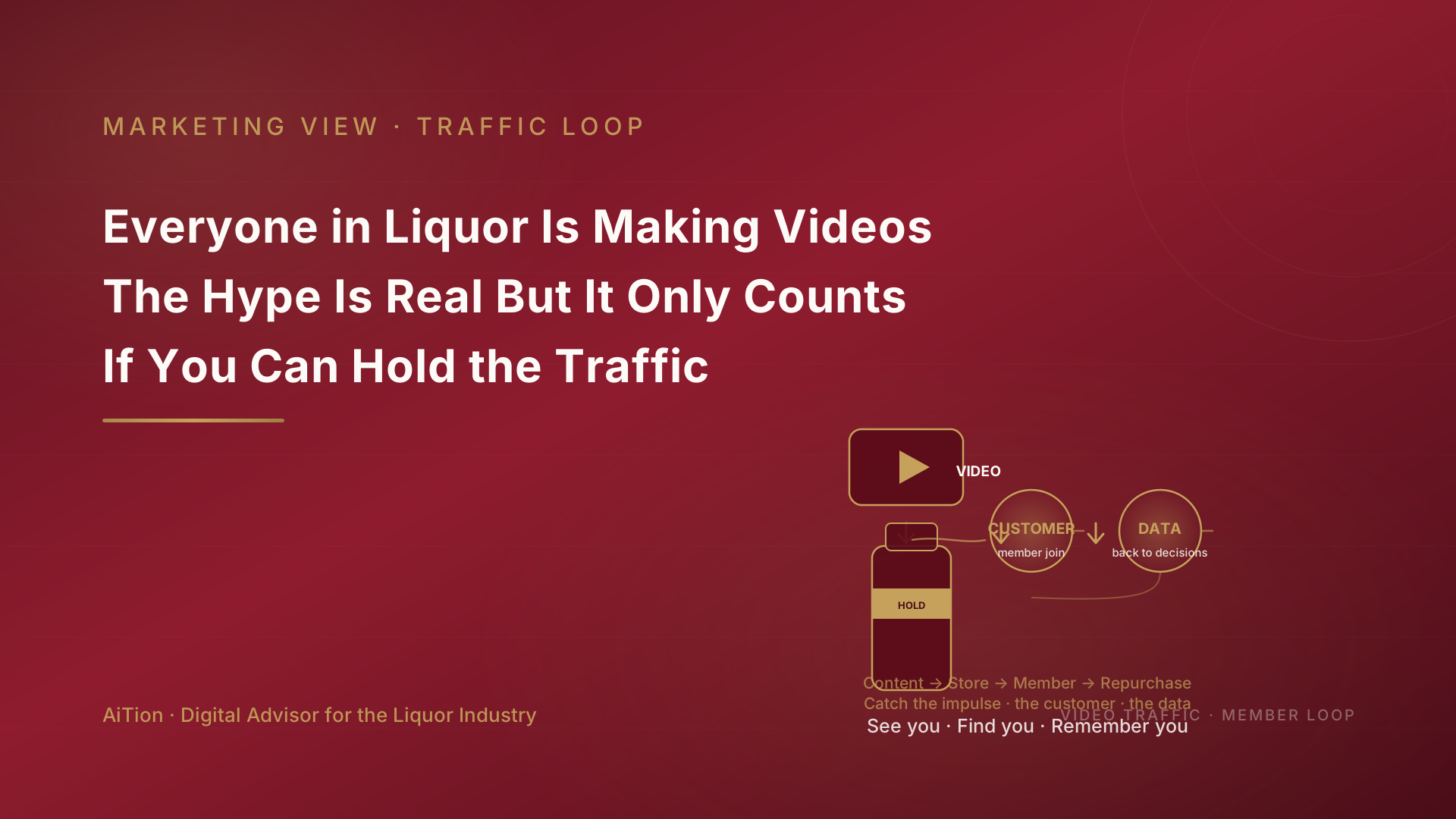
Everyone in the Liquor Industry Is Making Videos—The Hype Is Real, But It Only Counts If You Can Hold the Traffic
Founders of leading distilleries building their personal boss-IP, business teams making videos as an all-hands effort, and distilleries going downmarket to coach terminals on running same-city accounts—video has become an organizational behavior across the liquor industry. But the value of short video lies in the closed loop; a traffic matrix without member conversion and a store fulfillment system often ends with a lot of noise and zero lasting results.

Platform Subsidies Are Breaking Through Premium Liquor Pricing: Is Instant Retail a Lifeline or a Poison Pill?
Instant retail is pulling premium liquor into a more transparent competitive environment defined by lower consumer prices, faster delivery, and platform-led demand. Subsidies and traffic strategies may expand consumer reach, but they can also pressure established pricing discipline, distributor margins, and brand premium. This article examines instant retail’s dual effect on premium liquor channels: it can open new occasions and capture consumer data, while also amplifying diversion, price inversion, and channel conflict when authorization, pricing, and profit-sharing rules are weak. The issue is not whether a brand enters instant retail, but who controls product data, channel rules, and consumer relationships.

New Observations on the Liquor Industry: The Dominant Logic of Alcohol Distribution Is Shifting from Channel Stocking to Terminal Sell-Through and Consumer Operations
For a long time, the alcohol industry relied on franchise capacity, distribution capacity, and stock-pushing capacity to drive growth. Today, terminals are more cautious in receiving goods, consumers make more specific purchasing decisions, and the marginal effectiveness of the old logic keeps declining. The dominant logic of alcohol distribution is migrating—from channel stocking to terminal sell-through and consumer operations. Whoever is closer to real consumption, whoever can retain users as durable assets, will have a better chance of surviving this adjustment cycle and seizing the initiative for the next phase of growth.