
Industry Insights
Independent, sourced analysis of China's liquor industry — policy, channels, marketing and consumer trends, one real business question per piece.

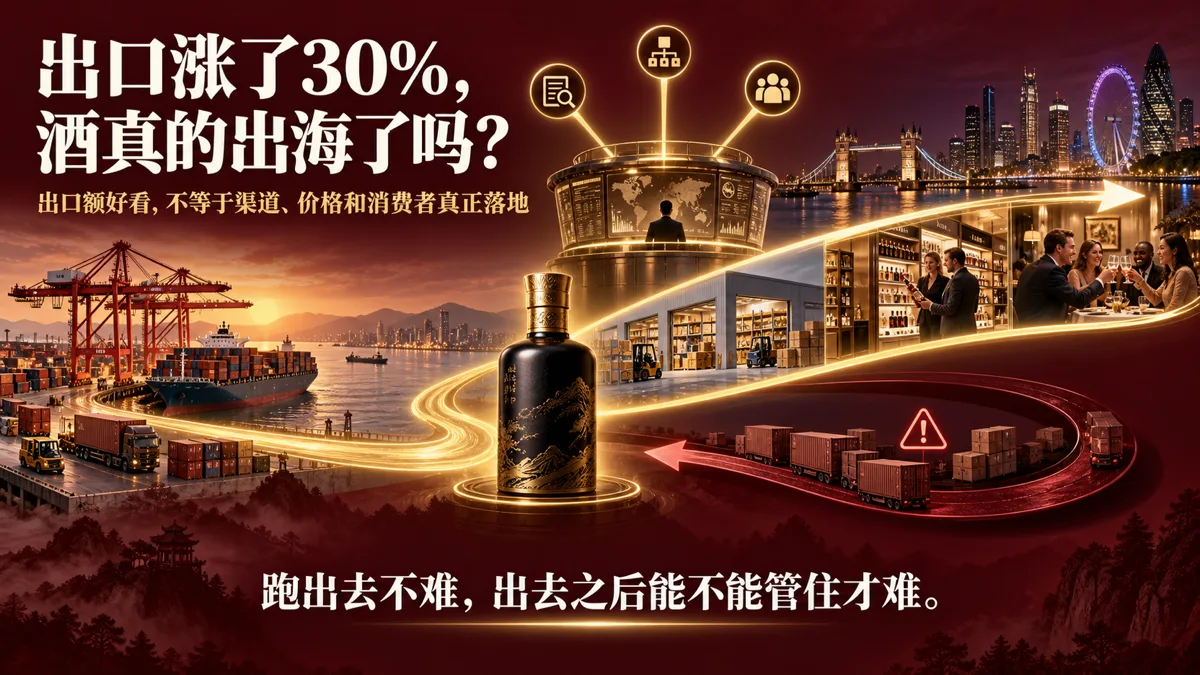
Baijiu’s Half-Year Export Report: Exports Rose 30%, Yet 90% of Exported Baijiu May Never Reach Overseas Consumers
China’s baijiu exports reached US$530 million in the first half of 2025, up 30.9% year on year. Export volume reached 8.31 million liters, up 7.4%, while the average export price rose 21.9% to US$63.7 per liter. The figures point to simultaneous volume and price growth. Yet rising imports of China-origin spirits, re-imported exports, and weak cross-border channel discipline suggest that export value alone is not a reliable measure of internationalization quality. The next phase of baijiu globalization will depend on whether producers can build traceable pricing systems, operable consumer relationships, and coordinated overseas distributor networks.

100 Distilleries Expected by Year-End: Why Is Zunyi Pushing "Six-Code Integration"?
Zunyi is building a region-level product certification and coding system, led by the Zunyi Product Certification Alliance, with technical support from China Classification Society Quality Certification and the Municipal Product Quality Inspection Institute. Over 100 distilleries are expected to join by year-end. The sixth code isn't just another label—it bundles certification, quality inspection, and brand culture into one scan entry, upgrading the proposition from "proving it's real" to "proving it's worth buying." But scan-based verification is only the first step. The true value of one-item-one-code lies in post-scan operations: consumers get tangible benefits, channels get incentives, brands get data, and members are retained. Zunyi built the trust foundation; how high the building rises depends on each distillery's operational capability.

Don't Just Forward the Policy Text: What This Opinion Really Rewrites Is "Who Gets to Stay at the Table"
For the first time, six ministries have classified brewing as a historical classic industry, aiming to cultivate 50 leading enterprises with 10-billion-yuan scale by 2028. Interpretations all discuss how distilleries can ride the tailwind to upgrade, but nobody answers one question on behalf of distributors: once policy splits brands into three tracks, what will become of those brands in your hands that occupy neither end?
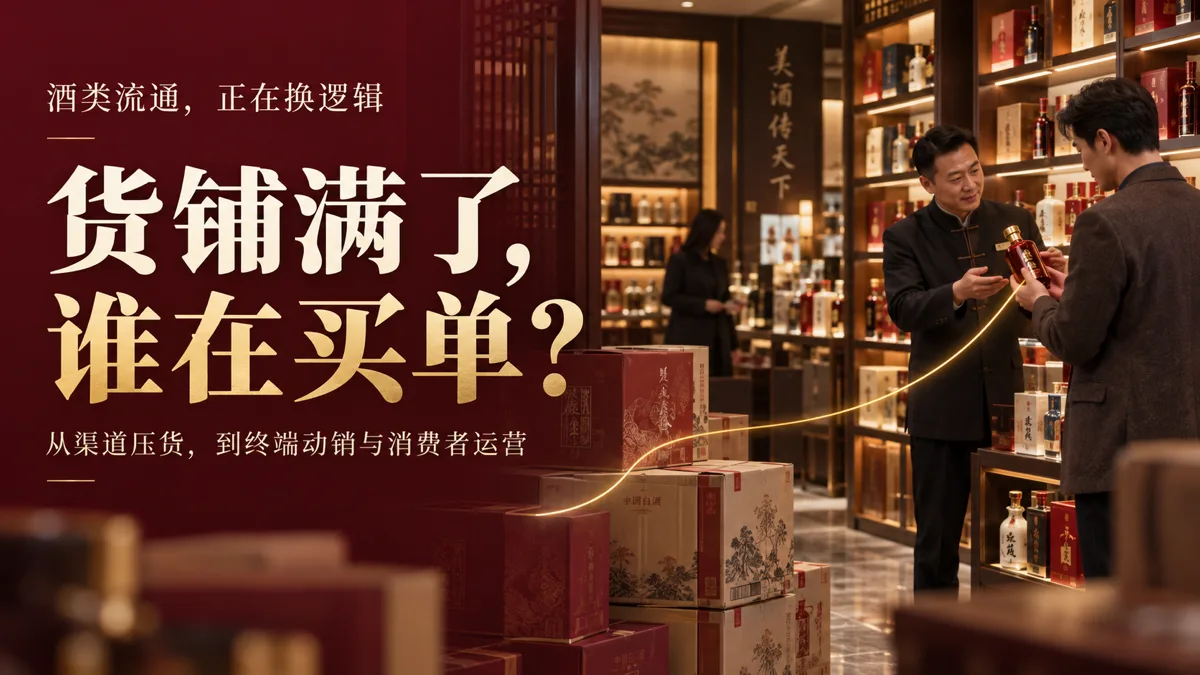
New Observations on the Liquor Industry: The Dominant Logic of Alcohol Distribution Is Shifting from Channel Stocking to Terminal Sell-Through and Consumer Operations
For a long time, the alcohol industry relied on franchise capacity, distribution capacity, and stock-pushing capacity to drive growth. Today, terminals are more cautious in receiving goods, consumers make more specific purchasing decisions, and the marginal effectiveness of the old logic keeps declining. The dominant logic of alcohol distribution is migrating—from channel stocking to terminal sell-through and consumer operations. Whoever is closer to real consumption, whoever can retain users as durable assets, will have a better chance of surviving this adjustment cycle and seizing the initiative for the next phase of growth.